Promoting financial inclusion and economic empowerment in Africa
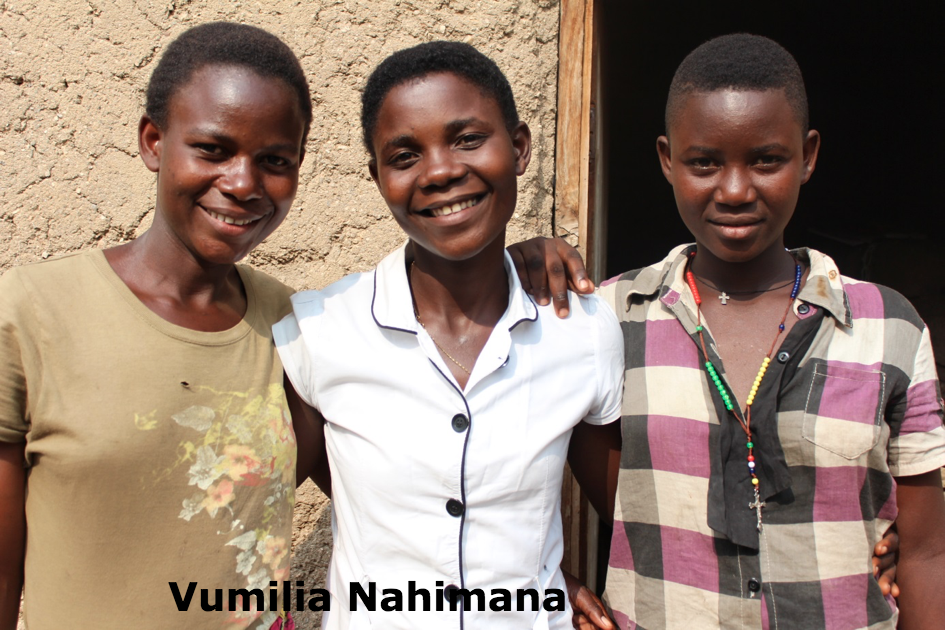
Vumilia Nahimana knows loss. In 2010, she and her sick brother took a bus from their home in Bugurama, in Burundi’s Rumonge province. They were travelling to Bujumbura, the nation’s capital, seeking treatment for his illness. Her brother died on the journey. Vumilia, terrified and devastated, pretended her brother was asleep until they arrived in the city.
During the Burundian civil war, the 27-year-old’s father and eight of her brothers died at Mutabira refugee camp on the Tanzanian border where her family had fled. When Vumilia, her mother, three younger sisters and remaining brother returned to her father’s land in 2009, her grandparents, who had been farming the land, turned them away. To provide for her sisters, she and her mother laboured for local merchants, transporting goods from field to market.
Vumilia also knows gain. She finished secondary school and is studying at university. She established a business with an annual turnover of BIF 1,000,000 (USD $565). Now she has a house, a farm, can afford healthcare for her mother and school fees for her sisters. She said she was able to improve her situation by relying on credit from her village savings and loan association (VLSA). Vumilia’s success built her confidence, agency and voice. She empowered herself and gained the respect of her community. Vumilia raised her voice and was awarded her father’s land by the local government.
Adolescent girls’ agency involves their having confidence; a voice for self determination; the skills to navigate the structural context in which they live while simultaneously pushing for change where they can; and bold aspirations for the future shaped by a wilful disregard for obstructive norms and the status quo.
Community stakeholders and existing norms can present obstacles on Burundian girls’ path to financial inclusion, but girls rely on their own agency to navigate the challenges. Agency is crucial. A key question, however, is: what is agency for adolescent girls?
Marriage poses many risks for Burundian girls. At the start of the project, girls’ feared boys forcing them into marriage or sex. Parents aspired legal marriages for their daughters, as marriages that are not recognised by the commune increase girls’ risk for mistreatment and losing their assets.
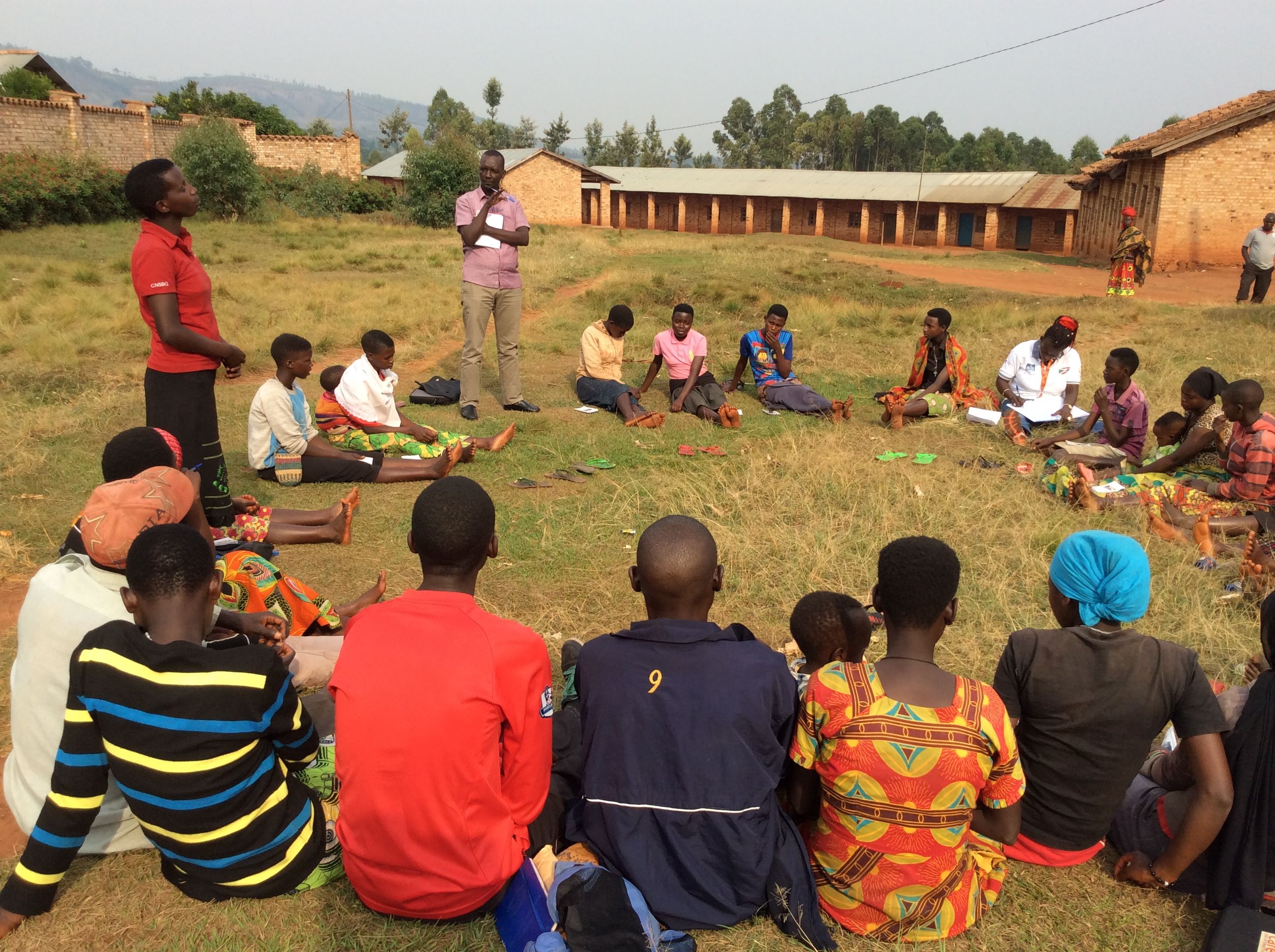
Client-centric programming and feedback loops were crucial to the success of the POWER Africa programme. In engaging with GLID and CARE, adolescent girls used opportunities for feedback and discussion to ask for what they needed – more training, advanced business management skills, and linkage to formal financial institutions to both enhance their businesses’ potential and provide security for their savings.
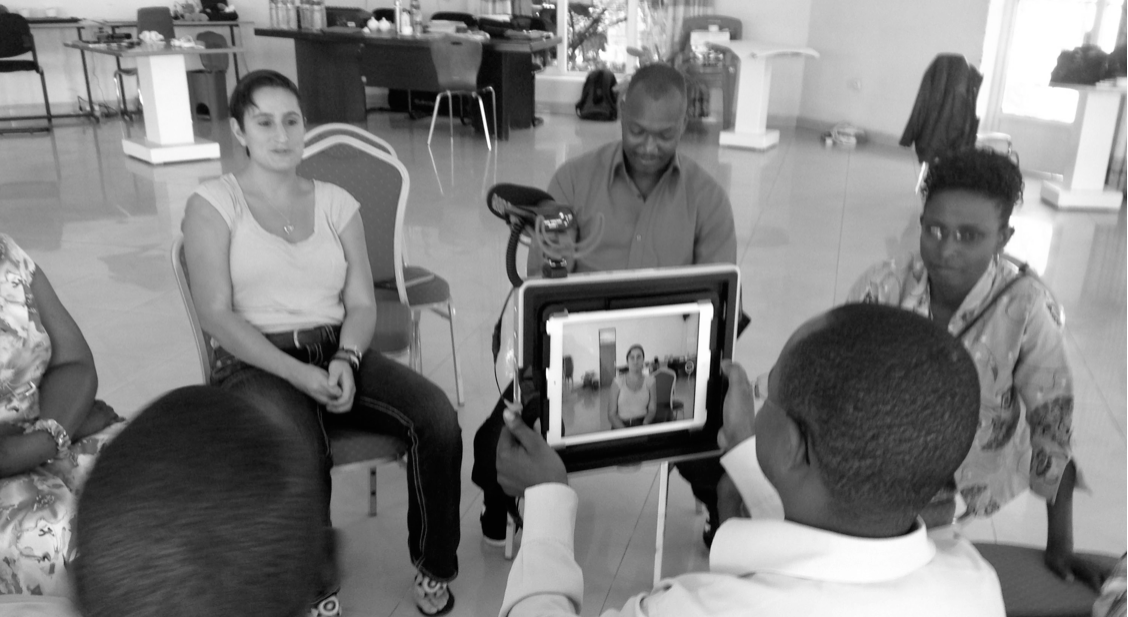
Girls’ sense of their own agency is apparent in their bold aspirations for the future. From a participatory video process conducted by the POWER team in 2015, adolescent girls’ aspirations were varied, but centred around mobility, productive asset accrual, and finishing their studies.
Adults struggle to push the same boundaries and, comparing the responses of girls and their parents, girls’ ambitions were far more ambitious and bold. Parents wanted their daughters to finish school and have a shop in the village. Girls talked about expanding their businesses to the provincial or national level. They thought, systematically, through the steps they would need to take to get there, such as more training, increased mobility and better modes of transportation.
Engaging stakeholders to promote financial inclusion for adolescent girls
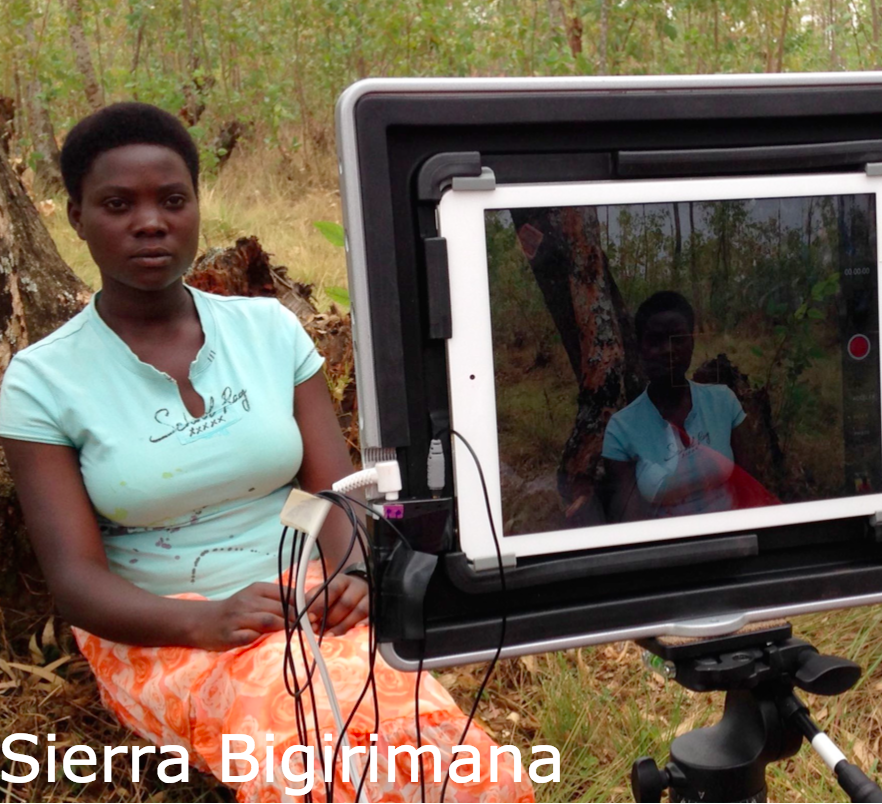
Sierra Bigirimana, 21-years-old from Gitega, got pregnant in primary school. It was the beginning of her “long ordeal”. Her parents, siblings and community regarded her “as a prostitute”.
“They insulted me day and night. This was humiliating enough. My personality and my family did not remain indifferent because I have not stopped being blamed.”
Parents can make life difficult for girls in rural Burundi. They typically place more strain on their daughters than their sons in terms of household chores. Girls within the programme had to balance school, homework, and household chores, with managing the businesses they had established though the POWER programme. Some girls had to abandon their VSLA groups due to the strain on their time. POWER Africa had to adapt.
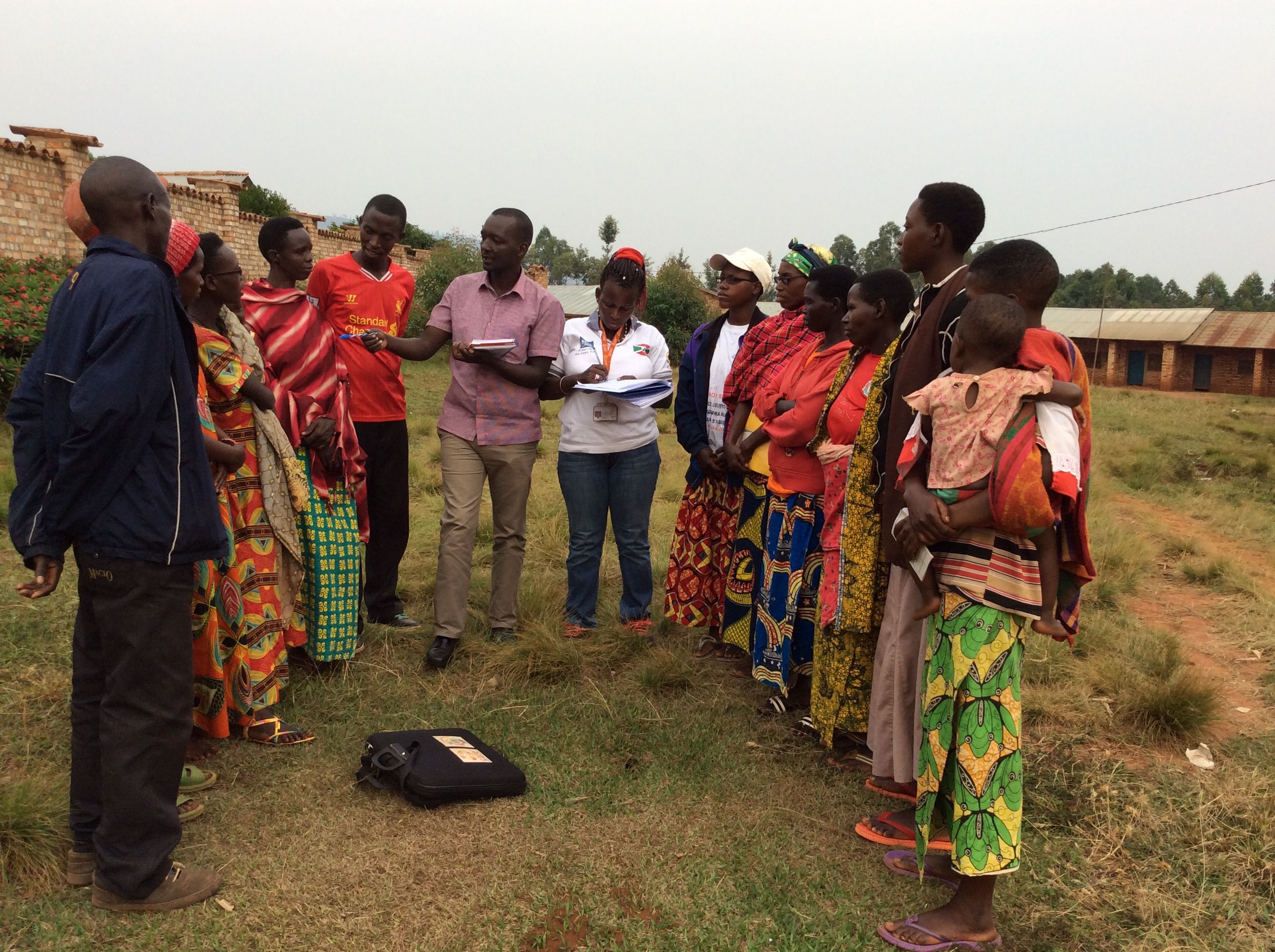
The girls’ themselves directly expressed to field officers the need to sensitise parents, who offered the initial savings needed to join VSLA groups and were supporting their businesses. Parental encouragement was seen as critical in allowing girls to manage their time between balancing these tasks, as parents can provide support in terms of reducing their household activities or assisting their daughter’s business. Further, parents play a crucial role in helping girls to secure their assets and protecting them from unwanted marriage offers.
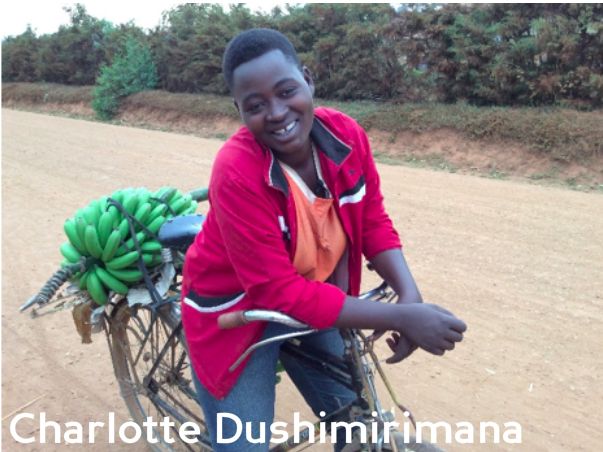
Charlotte Dushimirimana’s community thought she was crazy when she started her transportation and taxi business. The 24-year-old from Kayanza struggled after her father died. Her mother could not earn enough to pay school fees or feed Charlotte and her brothers.
In 2014 Charlotte joined her local VSLA group. A few months later, the Abatangamucho ran a gender equality training session for the men in the community. They spoke about the sharing of gender-specific roles and responsibilities. This gave Charlotte an idea: she could become a bicycle-taxi driver, a job typically reserved for boys and men.
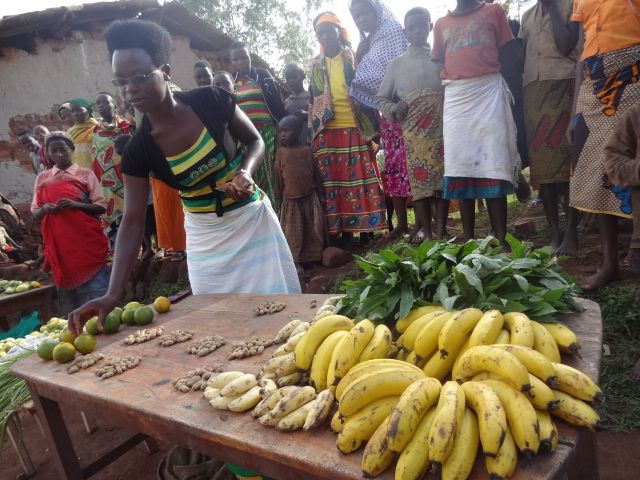
Adolescent girls in POWER have been shown to be innovative, to move quickly, and are willing to take calculated risks in taking loans and venturing into non-traditional businesses. In a word, they are dynamic. They have a growing capacity for financial education, as well as business and money management, and apply these skills to undertake higher value business activities. These skills enable them to invest in land, building or buying houses, cows, small animals, bicycles, motorcycles, sewing machines and their own or their children’s education. Many of these investments are traditionally reserved for men’s control and ownership.
What is the impact of formal financial inclusion?
A key issue that often obstructs linkage can be the ‘Know Your Customer’ requirements to prevent fraudulent behaviour, which often requires group members to have ID cards and proof of group status. CARE advocated to the government for support, arguing that youth should not be blocked from financial inclusion by an administrative factor, as it can be difficult for youth to obtain ID cards.
With the support and involvement of both the local and national government, CARE was able to present a list of all groups and their members to the government and the administrators to confirm that the girls are in groups and to issue them with a pass that CARE provides directly to KCB.
Understand who needs to be involved. Adolescent girls cannot progress in isolation.
Parental support is crucial. Without this, girls will not be able to participate in VSLA and access the services that will allow them to develop income generation streams and the confidence to advocate and push for their rights.
Work to make programming fit for purpose. Girls move through training modules and grasp ideas and concepts quickly. More importantly, girls are quick to apply concepts to their contexts. Programming should support this rapid growth. Flexibility is central to this: training needs to be shorter and more focused; girls need access to formal financial service providers quickly; and entrepreneurship and business support needs to be tailored to meet girls’ needs.
Respect girls’ ability to define their own agency. This allows them to develop the confidence and skills to overturn existing social norms and actualise their ambitions. With space and support to drive their own income generation, girls are able to think beyond society’s expectations of them: purchasing land, employing men, attending university, and delaying marriage are significant achievements.